Matching Fractions, Decimals and Percentages
Can you match pairs of fractions, decimals and percentages, and beat your previous scores?

Try out these calculations. Are you surprised by the results?
Watch our videos of multiplication methods that you may not have met before. Can you make sense of them?
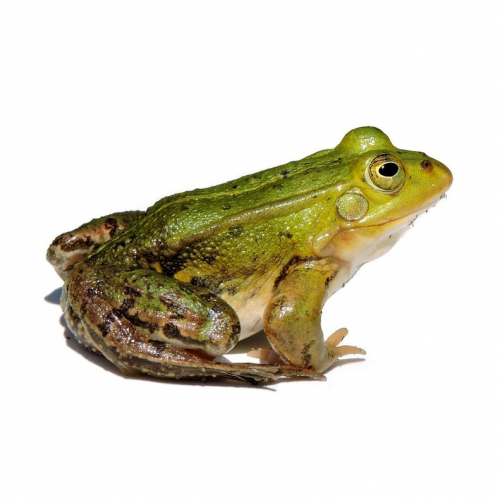
How many moves does it take to swap over some red and blue frogs? Do you have a method?
If you have only 40 metres of fencing available, what is the maximum area of land you can fence off?
Draw some isosceles triangles with an area of $9cm^2$ and a vertex at (20,20). If all the vertices must have whole number coordinates, how many is it possible to draw?
Can you find triangles on a 9-point circle? Can you work out their angles?
Discs are flipped in the air. You win if all the faces show the same colour. What is the probability of winning?
This problem offers you two ways to test reactions - use them to investigate your ideas about speeds of reaction.
Can you find rectangles where the value of the area is the same as the value of the perimeter?
A country has decided to have just two different coins. Which totals can be made? Is there a largest total that cannot be made? How do you know?
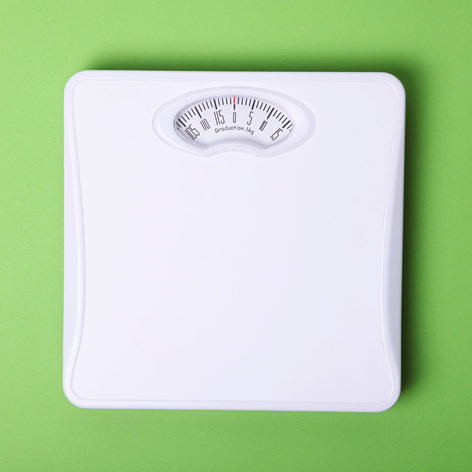
Invent a scoring system for a 'guess the weight' competition.
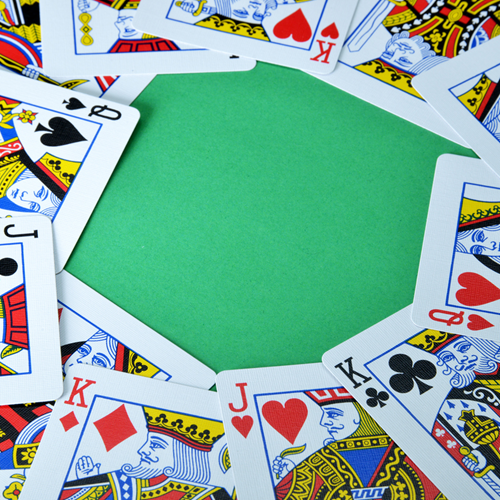
Move your counters through this snake of cards and see how far you can go. Are you surprised by where you end up?
Can you rank these sets of quantities in order, from smallest to largest? Can you provide convincing evidence for your rankings?
These Olympic quantities have been jumbled up! Can you put them back together again?
What happens when you add a three digit number to its reverse?
We started drawing some quadrilaterals - can you complete them?
Can you work out how these polygon pictures were drawn, and use that to figure out their angles?
Gabriel multiplied together some numbers and then erased them. Can you figure out where each number was?
Charlie and Abi put a counter on 42. They wondered if they could visit all the other numbers on their 1-100 board, moving the counter using just these two operations: ×2 and -5. What do you think?
Charlie and Alison have been drawing patterns on coordinate grids. Can you picture where the patterns lead?
A monkey with peaches, keeps a fraction of them each day, gives the rest away, and then eats one. How long can his peaches last?
Can you work out what step size to take to ensure you visit all the dots on the circle?
Can you make a right-angled triangle on this peg-board by joining up three points round the edge?