
A City of Towers
In this town, houses are built with one room for each person. There are some families of seven people living in the town. In how many different ways can they build their houses?
This is part of our collection of favourite rich tasks arranged by topic.
If you are a teacher, you can find the whole collection on our Primary Curriculum teacher page.
Alternatively, if you are a student, you'll find the same problems on our Primary Curriculum student page.
In this town, houses are built with one room for each person. There are some families of seven people living in the town. In how many different ways can they build their houses?

Try continuing these patterns made from triangles. Can you create your own repeating pattern?
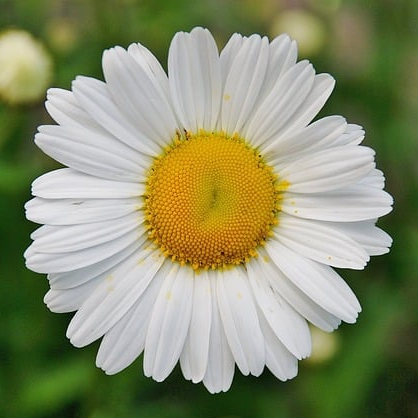
Daisy and Akram have made some number patterns. Can you find out which pattern is longer?
Create a pattern on the small grid. How could you extend your pattern on the larger grid?
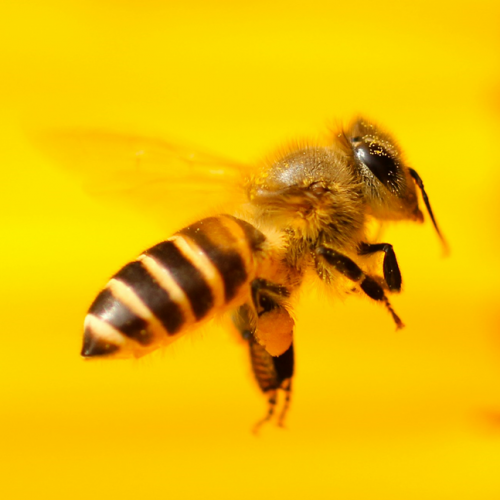
Buzzy Bee decorated her honeycomb with counting patterns. What might the missing numbers be?
On Friday the magic plant was only 2 centimetres tall. Every day it doubled its height. How tall was it on Monday?
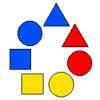
In this activity, shapes can be arranged by changing either the colour or the shape each time. Can you find a way to do it?
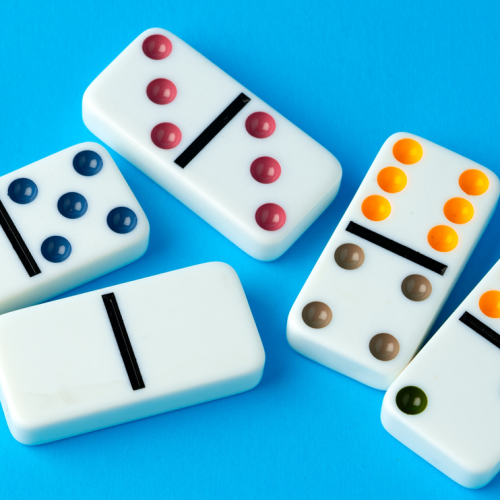
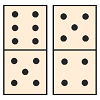
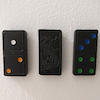
Which domino pieces would go in the middle to complete the number patterns?
Use the interactivity to help get a feel for this problem and to find out all the possible ways the balls could land.
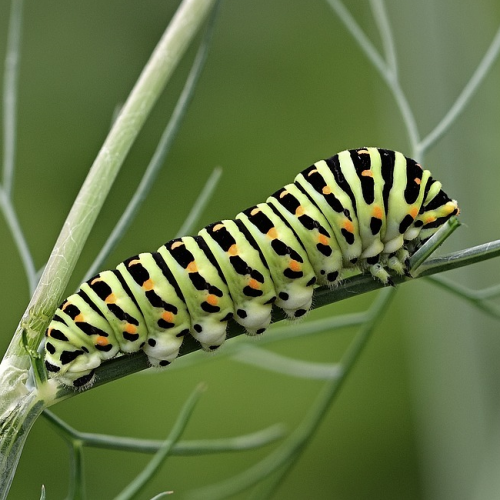
What number patterns can you see in the different arrangements of these caterpillars?
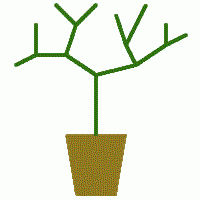
Can you work out how many flowers there will be on this plant after six weeks?
Tom had a tomato plant and he sowed a bean seed. When will the two plants be the same height?
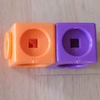
In how many different ways can you break up a stick of seven interlocking cubes? Now try with a stick of eight cubes and a stick of six cubes. What do you notice?
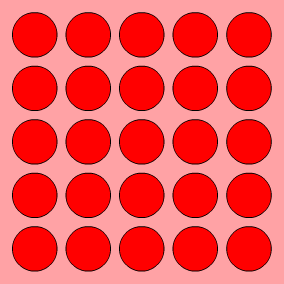
Here are some arrangements of circles. How many circles would I need to make the next size up for each? Can you create your own arrangement and investigate the number of circles it needs?
A hundred square has been printed on both sides of a piece of paper. What is on the back of 100? 58? 23? 19?
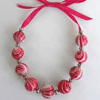
How many possible symmetrical necklaces can you find? How do you know you've found them all?