Fractions in a Box
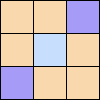
The discs for this game are kept in a flat square box with a square hole for each. Use the information to find out how many discs of each colour there are in the box.

This multiplication uses each of the digits 0 - 9 once and once only. Using the information given, can you replace the stars in the calculation with figures?
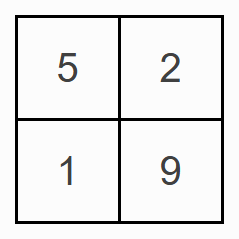
Choose four different digits from 1-9 and put one in each box so that the resulting four two-digit numbers add to a total of 100.
Can you make square numbers by adding two prime numbers together?
Each of the nets of nine solid shapes has been cut into two pieces. Can you see which pieces go together?
This practical problem challenges you to make quadrilaterals with a loop of string. You'll need some friends to help!
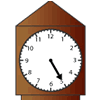
These clocks have only one hand, but can you work out what time they are showing from the information?
What do the numbers shaded in blue on this hundred square have in common? What do you notice about the pink numbers? How about the shaded numbers in the other squares?
Can you see how these factor-multiple chains work? Find the chain which contains the smallest possible numbers. How about the largest possible numbers?
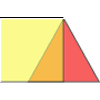
What does the overlap of these two shapes look like? Try picturing it in your head and then use some cut-out shapes to test your prediction.