Human Food
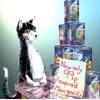
Sam displays cans in 3 triangular stacks. With the same number he could make one large triangular stack or stack them all in a square based pyramid. How many cans are there how were they arranged?
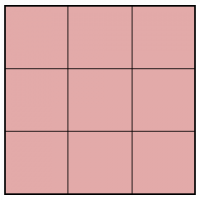
Follow the directions for circling numbers in the matrix. Add all the circled numbers together. Note your answer. Try again with a different starting number. What do you notice?
Billy's class had a robot called Fred who could draw with chalk held underneath him. What shapes did the pupils make Fred draw?
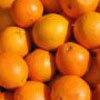
Can you use this information to estimate how much the different fruit selections weigh in kilos and pounds?
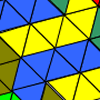
Can you find out how the 6-triangle shape is transformed in these tessellations? Will the tessellations go on for ever? Why or why not?
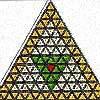
Compare the numbers of particular tiles in one or all of these three designs, inspired by the floor tiles of a church in Cambridge.
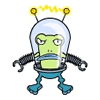
Investigate the different ways these aliens count in this challenge. You could start by thinking about how each of them would write our number 7.
How many different journeys could you make if you were going to visit four stations in this network? How about if there were five stations? Can you predict the number of journeys for seven stations?
Can you work out the arrangement of the digits in the square so that the given products are correct? The numbers 1 - 9 may be used once and once only.
Can you design your own version of the Olympic rings, using interlocking squares instead of circles?