Links to the NRICH website Home page

30 April (Primary), 1 May (Secondary)
Resources tagged with: Enrichment
There are 15 results
Broad Topics > Mathematics education and research > Enrichment
1st Stemnrich T I Day 7 December 2012
A holding page for the resources and links from the first stemNRICH TI day for 2012-13.

physNRICH
PhysNRICH is the area of the StemNRICH site devoted to the mathematics underlying the study of physics


chemNRICH
chemNRICH is the area of the stemNRICH site devoted to the mathematics underlying the study of chemistry, designed to help develop the mathematics required to get the most from your study of chemistry at A-level and university.
Teachers Using NRICH 2
Kirsti Ashworth, an NRICH Teacher Fellow, talks about her experiences of using rich tasks.
Teachers Using NRICH 3
Sharon Walter, an NRICH teacher fellow, talks about her experiences of trying to embed NRICH tasks into her everyday practice.
Teachers Using NRICH 1
Peter Hall was one of four NRICH Teacher Fellows who worked on embedding NRICH materials into their teaching. In this article, he writes about his experiences of working with students at Key Stage Three.
Two Heads Are Better Than One
An article that reminds us about the value and importance of communication in the mathematics classroom.
bioNRICH
bioNRICH is the area of the stemNRICH site devoted to the mathematics underlying the study of the biological sciences, designed to help develop the mathematics required to get the most from your study of biology at A-level and university.

Crossing Bridges
An article for teachers based on a lecture and workshop activities at the NZAMT conference in New Zealand 2007

What's Inside/outside/under the Box?
This article describes investigations that offer opportunities for children to think differently, and pose their own questions, about shapes.

Outside the Box
This article explores the links between maths, art and history, and suggests investigations that are enjoyable as well as challenging.
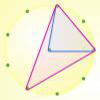
Interacting with the Geometry of the Circle
Jennifer Piggott and Charlie Gilderdale describe a free interactive circular geoboard environment that can lead learners to pose mathematical questions.

Enriching Patterns
Following on from a workshop at an MA Easter conference, Jennifer and Jenni talked about the way in which the website is made more accessible to teachers who want to plan threads of activity. Here’s a pattern- based theme.

Maths Trails
The NRICH team are always looking for new ways to engage teachers and pupils in problem solving. Here we explain the thinking behind maths trails.